

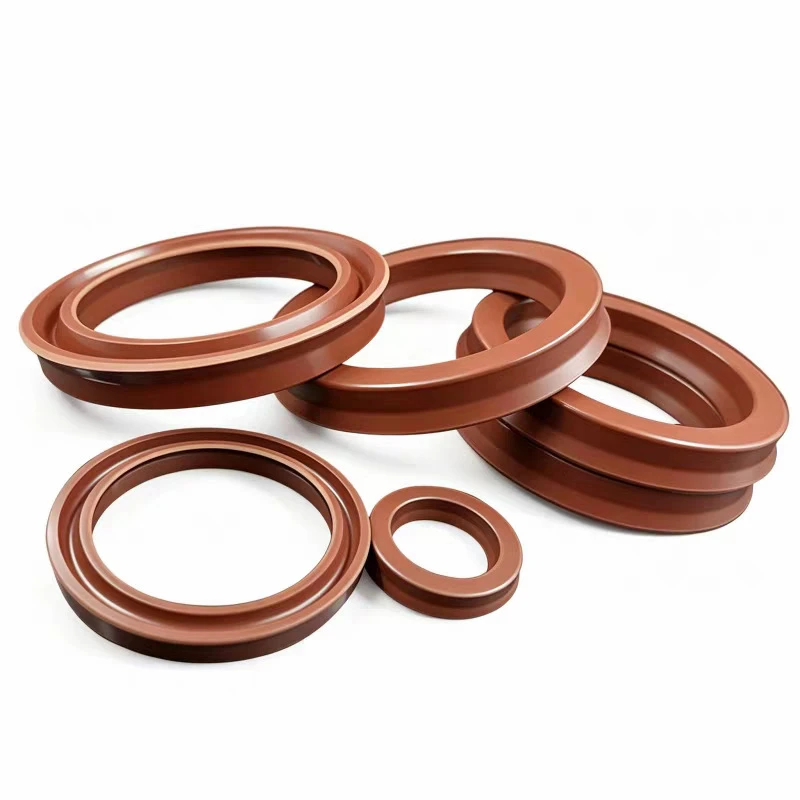
EPDM oil seals consist of a molded rubber body and a sealing lip designed to fit around a rotating shaft. The lip profile, outer diameter, and reinforcement structure are determined by the required shaft and housing dimensions.
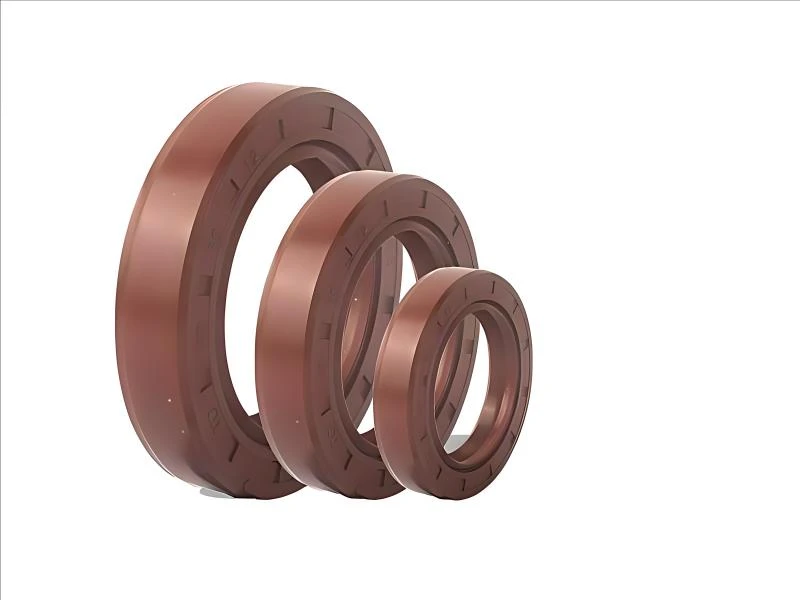
- Primary Sealing Lip: The main lip maintains radial contact with the rotating shaft to control leakage at the shaft interface. Its contact angle, lip thickness, and interference are matched to the specified shaft diameter and operating conditions.
- Secondary Dust Lip: Available on double-lip configurations, the auxiliary lip helps prevent dust and solid particles from entering the space around the primary sealing lip, reducing external contamination.
- Reinforcing Case & Outer Diameter: The internal metal case, when included, supports the molded rubber body and maintains its cross-sectional form. The outer diameter is designed to fit the housing bore and provide the required installation retention.
Sealing Performance & Operating Conditions
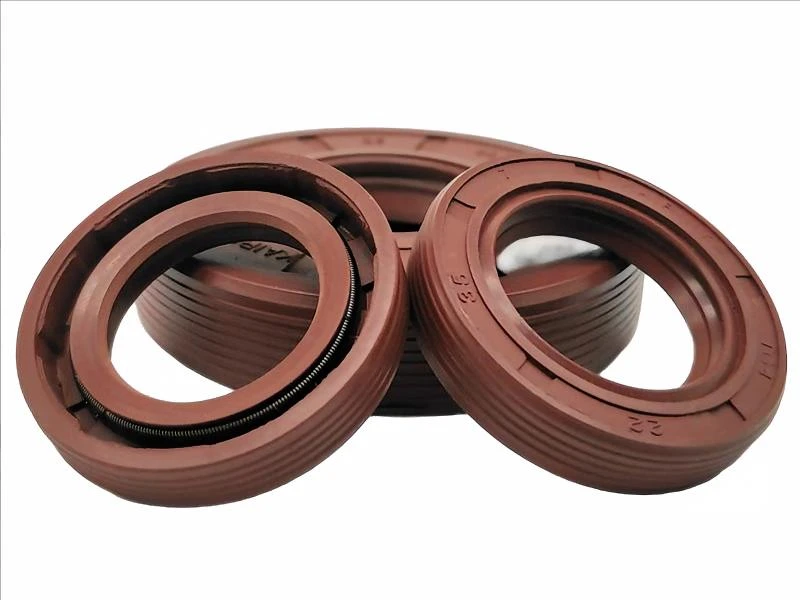
The performance of an EPDM rotary shaft seal depends on the contact condition between the sealing lip and shaft, as well as the working fluid and operating parameters.
- Shaft Sealing Contact: The primary lip forms a continuous contact interface around the shaft. Correct lip interference and shaft dimensions help maintain the required sealing contact during rotation.
- Rotational Speed & Friction: Shaft surface speed and lip contact pressure influence friction and heat generation. The seal design should be matched to the actual shaft diameter, rotational speed, and lubrication conditions.
- Fluid & Temperature Compatibility:Oil seals can be specified for compatible water, coolant, glycol-based fluids, and certain phosphate ester fluids. They should not be used with conventional mineral oils, petroleum-based lubricants, or fuels unless specific compatibility has been demonstrated.
Shaft & Housing Installation Requirements
EPDM oil seal installation requires accurate matching between the seal dimensions, shaft, and housing bore. The following specifications should be confirmed before selecting or manufacturing the product.
|
Installation Parameter |
Requirements |
|---|---|
|
Shaft Diameter |
Match the seal's designed lip interference to the specified shaft diameter. |
|
Housing Bore |
Confirm bore diameter and tolerance for proper outer diameter retention. |
|
Seal Width |
Match the axial width to the available housing space. |
|
Shaft Surface Finish |
Avoid excessive roughness, machining marks, and unsuitable surface conditions that can damage the sealing lip. |
|
Installation Direction |
Position the primary sealing lip toward the fluid side according to the sealing arrangement. |
|
Installation Chamfer |
Provide a suitable shaft lead-in to prevent lip damage during fitting. |
Custom EPDM Oil Seals
Chaoyue provides custom EPDM oil seal development according to equipment drawings, existing samples, and shaft sealing requirements. Custom manufacturing focuses on the sealing interface, installation dimensions, and material configuration.
Seal Dimensions & Fitting
Customize inner diameter, outer diameter, seal width, and housing fitting dimensions according to the equipment assembly drawing.
Sealing Lip Configuration
Develop single-lip or double-lip structures with different lip profiles and contact geometries to match the shaft sealing requirements.
Reinforcement & Structural Design
Configure internal metal cases, rubber-covered outer diameters, and spring components where required by the specified product design.
EPDM Compound & Hardness
Select the rubber formulation and hardness according to the working fluid, temperature, shaft speed, and required sealing conditions.
EPDM Oil Seal Applications
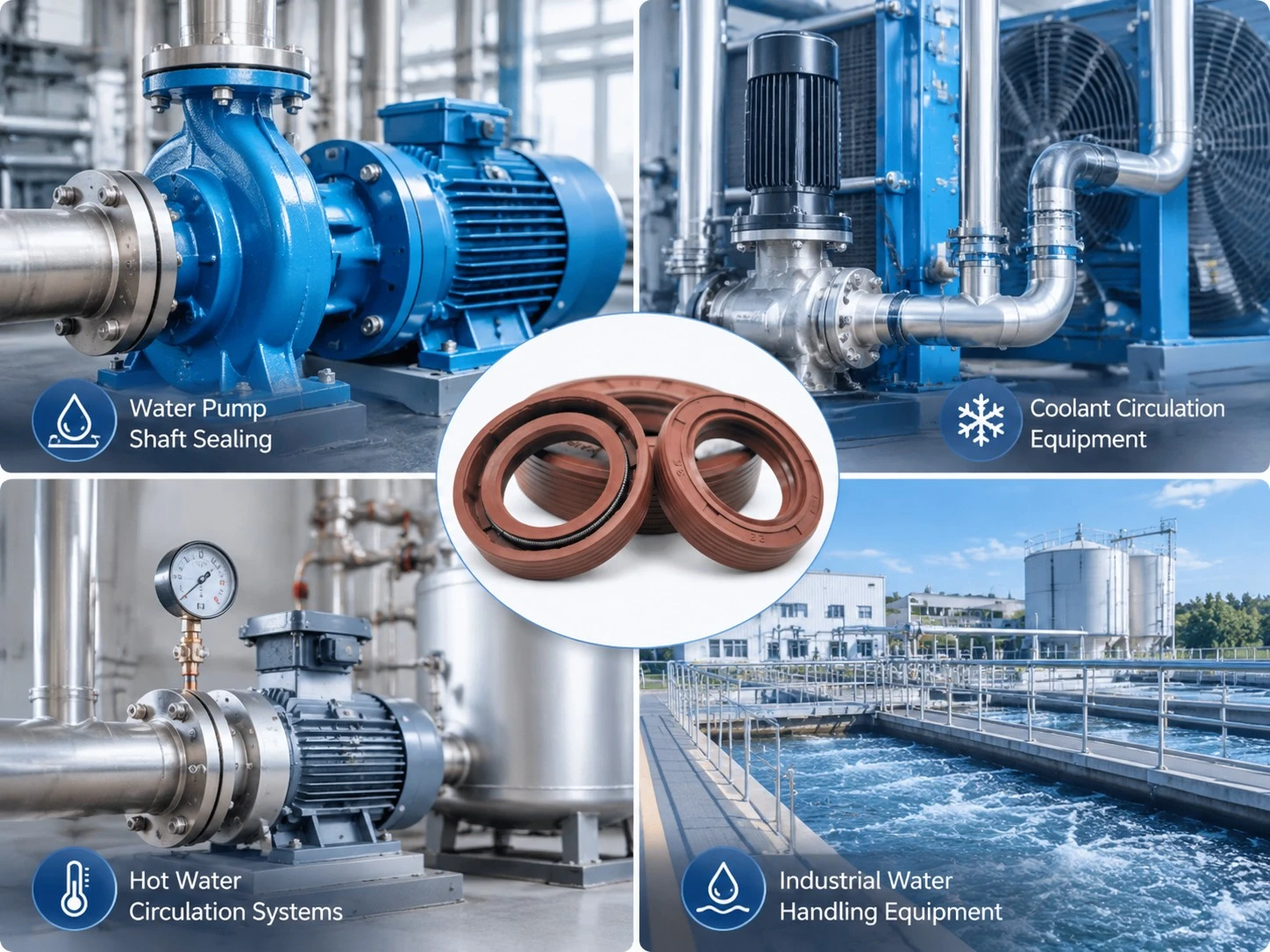
EPDM oil seals are used in rotating equipment where the sealing medium is compatible with the selected EPDM compound. The following applications focus on fluid systems rather than conventional petroleum-oil lubrication.
- Water Pump Shaft Sealing: Installed around rotating pump shafts to control water leakage between the shaft and pump housing.
- Coolant Circulation Equipment: Used in compatible cooling circulation pumps and related equipment where water-glycol mixtures contact the sealing lip.
- Hot Water Circulation Systems: Applied to suitable rotating assemblies in hot-water circulation equipment, with compound selection based on the actual operating temperature.
- Industrial Water Handling Equipment: Used in selected water circulation and treatment equipment where shaft sealing and water resistance are required.
FAQ
Can you manufacture replacement oil seals based on worn samples?
Yes. Existing oil seals can be provided as references for product evaluation and replacement development. If the original seal is worn or deformed, additional measurements or equipment drawings may be required to establish the intended product specifications.
Can I request samples before placing a bulk order?
Sample arrangements can be discussed before mass production. Buyers can evaluate the sample against the approved product specifications and check its compatibility with the intended equipment assembly before confirming the production order.
How are product tolerances and inspection requirements confirmed before production?
Dimensional tolerances and acceptance criteria should be agreed upon during the technical confirmation stage. Buyers can specify the required inspection items and applicable drawings or standards so the production requirements are clearly defined before manufacturing.
What factors affect the price of custom EPDM oil seals?
Pricing depends on the product dimensions, rubber compound, structural complexity, tooling requirements, order quantity, and inspection requirements. Special configurations or new tooling may involve additional development costs.
Can repeat orders be manufactured according to previously approved samples?
Yes. Previously approved samples, drawings, and production specifications can serve as references for repeat orders. Buyers should confirm the product revision and any updated requirements before placing replenishment orders.


