

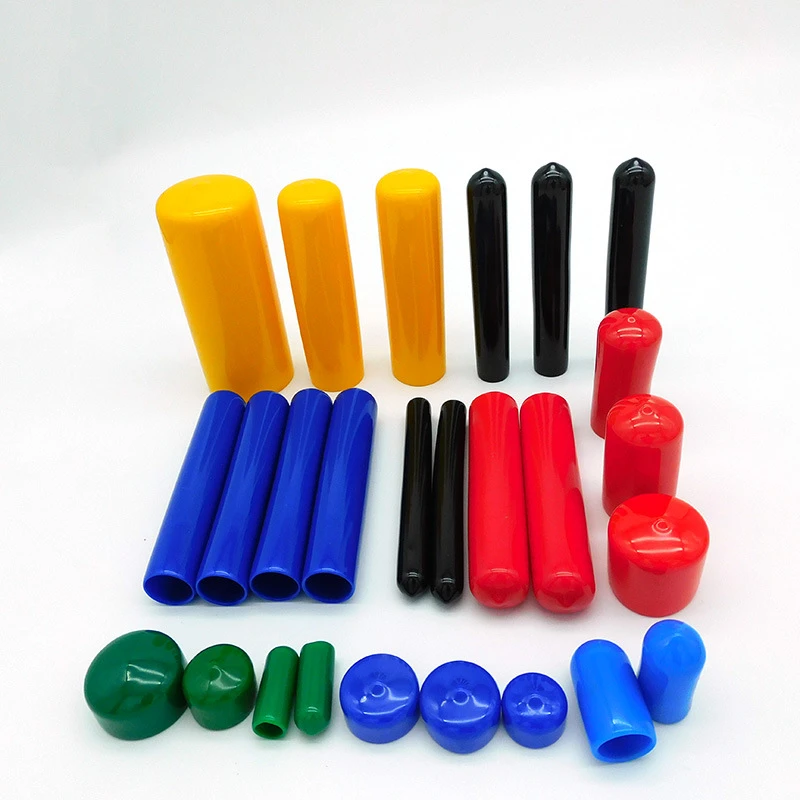
Rubber Thread Protector Caps
Custom Rubber Caps for External Thread Protection
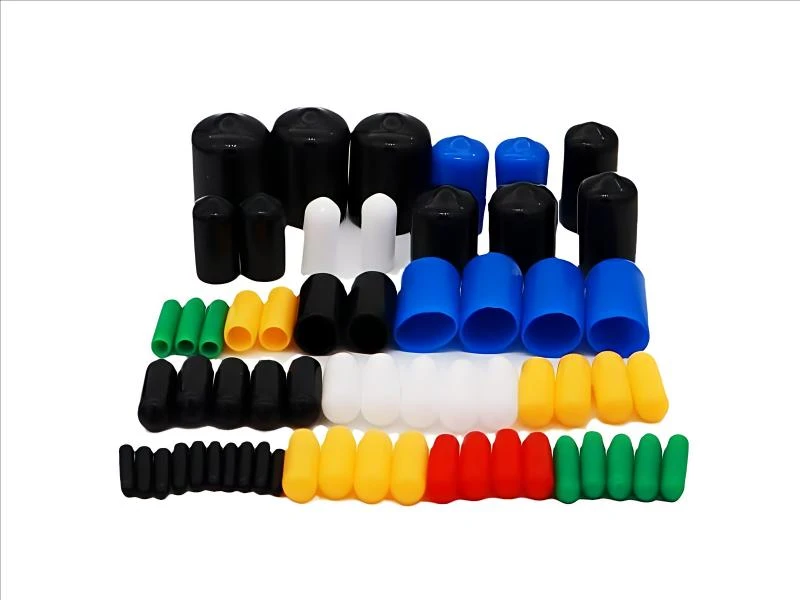
Rubber Thread Protector Caps Structure & Dimensions
The opening, body length, closed end and wall thickness determine how the cap fits the threaded component and how much of the exposed section it covers.
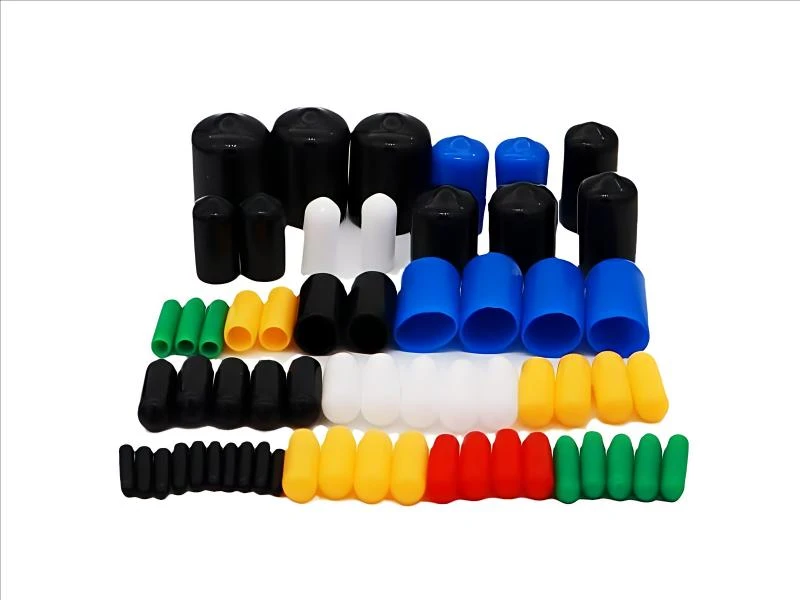
Cap Opening Diameter
The inside diameter is designed according to the external diameter of the threaded component. The opening expands during installation and maintains contact after fitting.
Protective Body Length
The main body surrounds the exposed threaded section. Its length and external profile can be adjusted for different thread lengths and component configurations.
Closed-End Protection
The closed end covers the exposed tip of the threaded component, reducing direct contact with surrounding objects and helping prevent minor impact damage.
Rubber Wall Thickness
Wall thickness influences flexibility, expansion characteristics and physical protection. It can be adjusted according to installation force and component dimensions.
Rubber Thread Protector Caps Materials & Properties
Choose a rubber compound according to oil exposure, weather conditions, temperature requirements and contact with other substances.
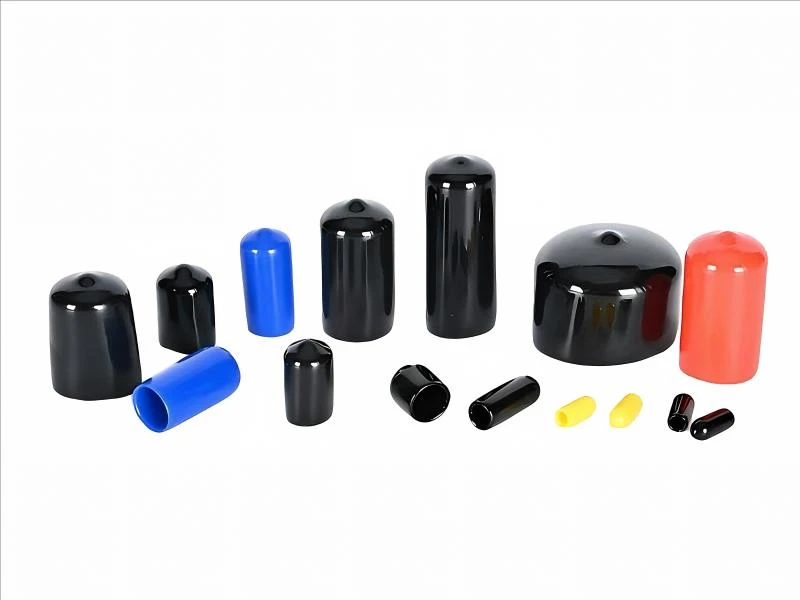
NBR Rubber
Resistance to oils and fuels. Used for components exposed to petroleum-based oils and lubricants.
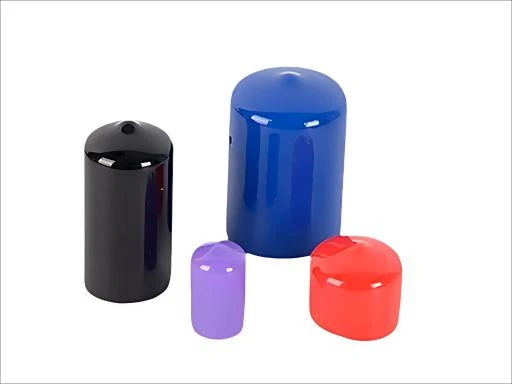
EPDM Rubber
Resistance to weather, ozone and water. Used for outdoor storage and moisture-exposed environments.
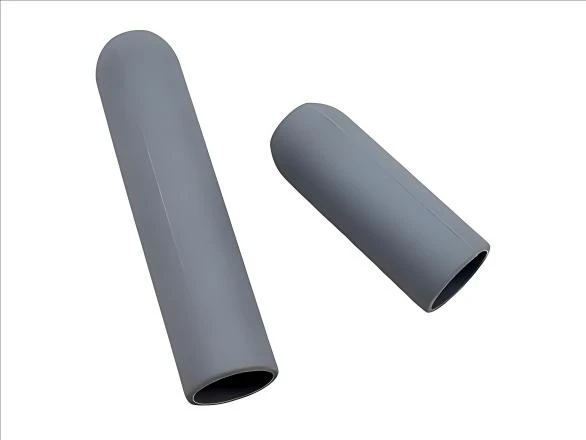
Silicone Rubber
Flexible material with temperature adaptability for applications involving temperature variation.
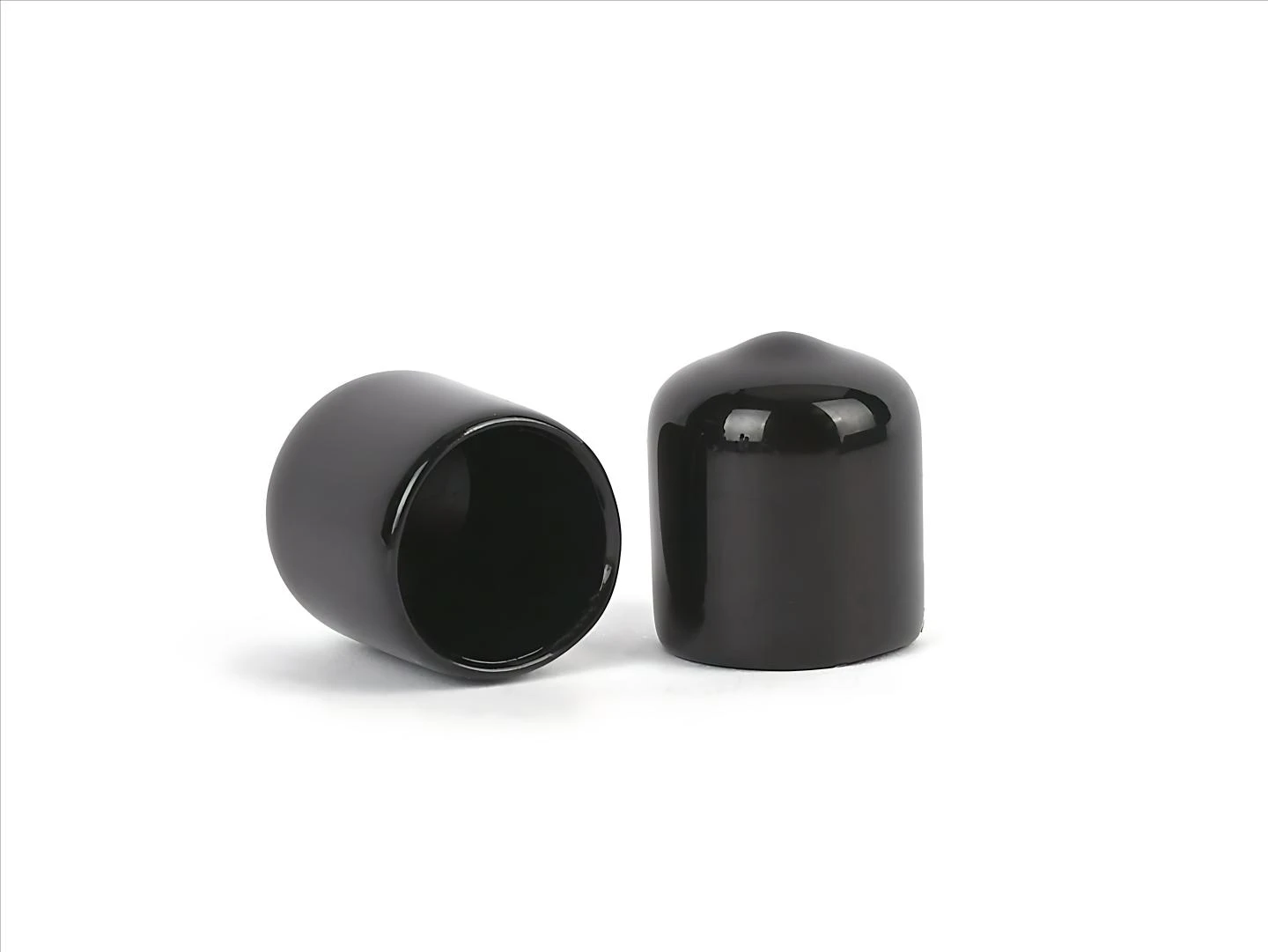
FKM Rubber
Heat, oil and chemical resistance for components used in demanding industrial environments.
Rubber Thread Protector Caps Sizes & Technical Specifications
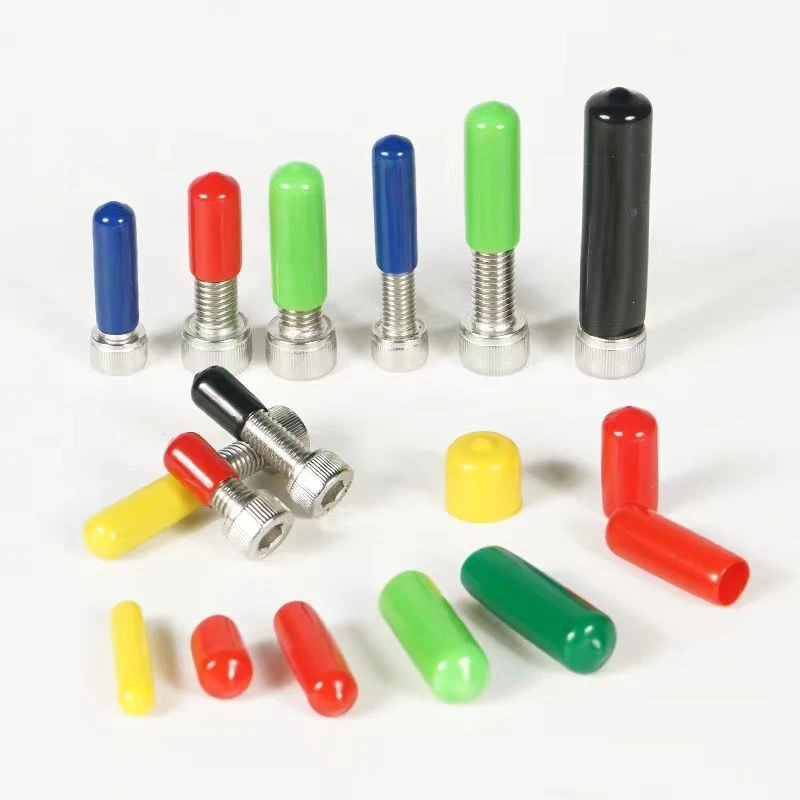
Chaoyue manufactures rubber thread protector caps according to standard requirements and custom dimensional specifications. Product dimensions are determined by the external thread diameter, required coverage length and installation conditions.
| Specification | Available Options |
|---|---|
| Product Name | Rubber Thread Protector Caps |
| Material | NBR, EPDM, FKM, Silicone |
| Inside Diameter | Custom |
| Outside Diameter | Custom |
| Cap Height | Custom |
| Wall Thickness | Custom |
| Hardness | Custom Shore A |
| Color | Black / Custom |
| Manufacturing Process | Rubber Molding |
| Customization | Drawing or Sample Based |
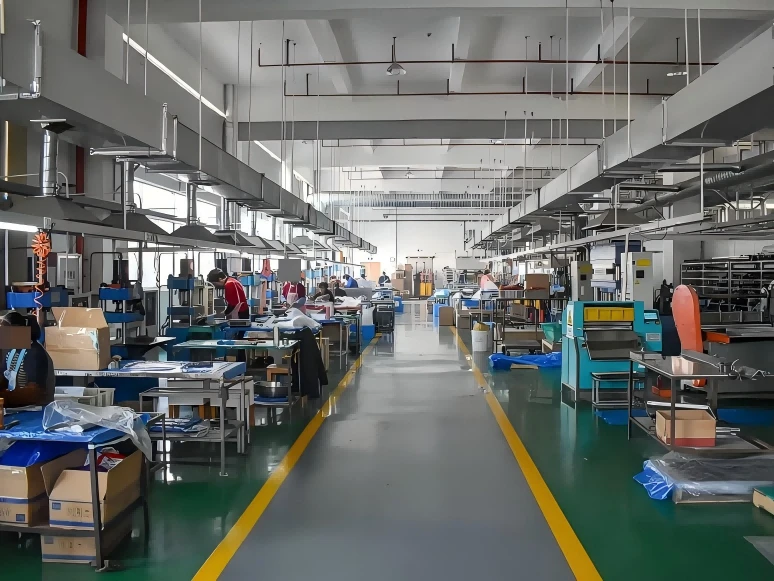
Custom Rubber Thread Protector Caps Design & Manufacturing
Rubber Thread Protector Caps Protection Functions
Four functions of removable rubber covers during component manufacturing, storage, transportation and assembly.
Thread Surface Protection
The rubber body creates a protective layer around exposed threads, helping reduce scratches, dents and minor impact damage caused by contact with other metal components.
Dust & Contamination Reduction
Covering the threaded section limits the accumulation of loose particles, dust and dirt before subsequent assembly or installation processes.
Elastic Fitting & Retention
The flexible opening expands over the threaded section and returns toward its original shape after installation. Proper dimensional matching helps maintain its position during handling.
Removable Protective Coverage
The cap can be removed when the threaded component is ready for assembly or installation. It provides temporary protection during storage, transportation and production handling.
Rubber Thread Protector Caps for Industrial Applications
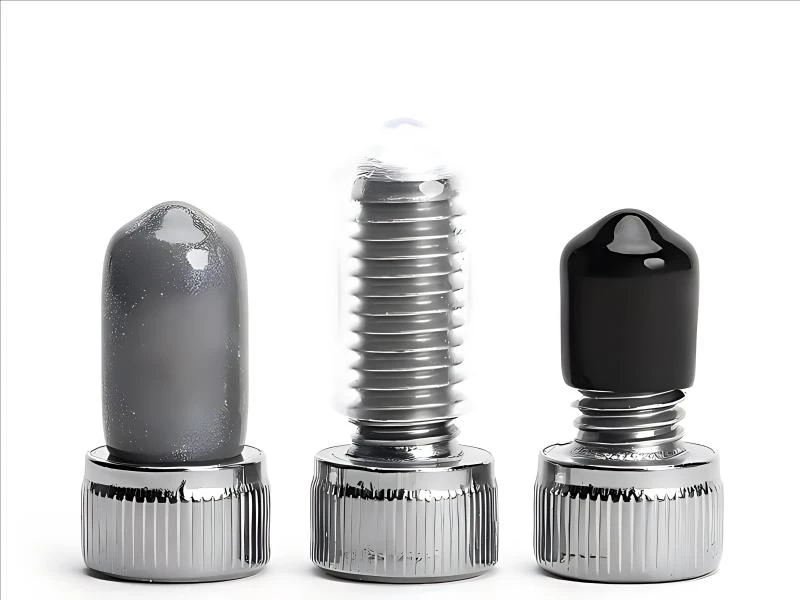
Rubber thread protector caps are used on metal components with exposed external threads that require temporary physical protection before assembly, installation, or delivery.
Automotive Components
Used on threaded studs, mounting bolts, and fastening components during automotive parts manufacturing and transportation. The caps help protect exposed threads before final assembly.
Hydraulic & Pneumatic Equipment
Applied to external threaded connections on selected hydraulic and pneumatic fittings. The protective covering helps reduce the accumulation of dust and loose particles before installation.
Industrial Machinery
Used on threaded rods, mounting studs, and fastening components in industrial machinery production. The caps help reduce contact damage when parts are transferred between manufacturing and assembly operations.
Metal Fabrication & Component Processing
Used to cover designated threaded sections during component handling, storage, and selected surface-treatment processes. Material compatibility and temperature resistance should be confirmed before use in coating or finishing applications.
Rubber Thread Protector Caps Frequently Asked Questions
Information about product applications, dimensions, materials and custom orders.
What are rubber thread protector caps used for?
Rubber thread protector caps cover exposed external threads on bolts, studs, threaded rods and other metal components. They help reduce physical damage and contamination during manufacturing, storage and transportation.
How do I determine the correct size?
Start by measuring the outside diameter of the threaded section that needs protection. Also provide the required coverage length, available installation space and fitting requirements. Technical drawings or physical samples can help confirm the appropriate dimensions.
Can the caps fit metric and imperial threads?
Yes. Custom caps can be developed for components using metric or imperial thread standards. Dimensions are generally determined by the actual external diameter and geometry of the threaded component rather than the nominal thread designation alone.
Can the caps be reused after removal?
They can be reused if the selected rubber compound and product structure support repeated installation. Reusability depends on stretching during fitting, removal frequency, storage conditions and visible wear. Sample testing is recommended for repeated-use applications.
Can the caps be used during painting or powder coating?
They may be suitable for selected masking applications when the rubber compound can withstand the processing temperature and exposure conditions. Provide the coating method, processing temperature and exposure duration for material evaluation.
What information is needed for a custom quotation?
Provide the threaded component dimensions, required cap specifications, rubber material, hardness, application environment, preferred color and estimated order quantity. Technical drawings or physical samples can also be submitted to evaluate product dimensions and mold requirements.


