


Polyurethane O-Ring Material Properties
Polyurethane is an elastomer selected for sealing components that require a combination of mechanical strength, wear resistance, and flexibility. Its material characteristics make it suitable for applications involving repeated contact, friction, and deformation during operation.
Mechanical Performance for Demanding Sealing Conditions
Material performance depends on the selected compound, hardness, temperature, and actual operating conditions.
Abrasion & Wear Resistance
Polyurethane provides good resistance to surface wear caused by repeated contact with moving components. This property is particularly relevant to reciprocating sealing applications, where the O-Ring may experience continuous friction against mating surfaces.
Tear Resistance
The material's resistance to tearing helps reduce damage during installation and operation. This is important when an O-Ring passes over component edges, enters a sealing groove, or experiences localized mechanical stress.
Mechanical Strength
PU elastomers offer good mechanical strength under compression and contact loading. The material can maintain its structural integrity under suitable operating conditions, helping reduce damage associated with mechanical stress.
Elastic Recovery
After compression, polyurethane can recover toward its original shape. This characteristic contributes to maintaining contact with the sealing surfaces, although actual recovery performance depends on the compound, hardness, temperature, and compression conditions.
Extrusion Resistance
Polyurethane's mechanical strength can help resist material deformation into clearance gaps under pressure. The actual extrusion resistance depends on hardness, pressure level, gap dimensions, and sealing groove design.
Polyurethane O-Ring Sealing Structure
Polyurethane O-Rings feature a continuous circular cross-section designed to fit into a machined groove. During assembly, the ring is compressed between two mating surfaces, generating contact pressure that restricts the passage of liquids or gases.

Circular Cross-Section Design
The round cross-section provides a continuous sealing profile without separate joints or connecting sections. Inside diameter and cross-section dimensions are selected according to the groove geometry and component assembly.
Radial Sealing
For radial sealing arrangements, the O-Ring is installed in a groove on a shaft or inside a housing. Compression occurs between the ring and the opposing surface in a direction perpendicular to the component axis.
Axial Sealing
In axial sealing arrangements, the O-Ring is compressed between two opposing faces. Groove depth, ring cross-section, and assembly clearance determine the amount of compression applied to the seal.
Compression & Contact Pressure
The groove dimensions determine the O-Ring's installed compression. Appropriate compression establishes sealing contact, while excessive compression can increase friction, installation stress, and permanent deformation.
Dynamic Sealing Conditions
For reciprocating applications, the O-Ring must accommodate repeated movement without excessive wear or displacement. Surface finish, lubrication, operating pressure, movement speed, and groove design all influence its sealing performance.
Oil Resistant Polyurethane O-Ring Specifications
Chaoyue provides polyurethane O-Rings in standard and customized dimensions for different sealing structures. Product specifications are determined by the installation groove, required compression, operating pressure, and contact medium.
Custom Polyurethane O-Ring Manufacturing
Different sealing assemblies require specific dimensional and material configurations. Chaoyue supports customized polyurethane O-Ring production according to equipment specifications and customer requirements.
Dimension Customization
Adjust inner diameter and cross-section dimensions to match the specified sealing groove.
Hardness Selection
Select suitable Shore A hardness according to pressure, compression, movement, and installation conditions.
Material Formulation
Evaluate polyurethane compound requirements according to oil exposure, mechanical loading, and operating environment.
Color Customization
Provide specified colors for product identification and customer requirements.
Mold Development
Develop dedicated molds for non-standard dimensions and customized O-Ring designs.
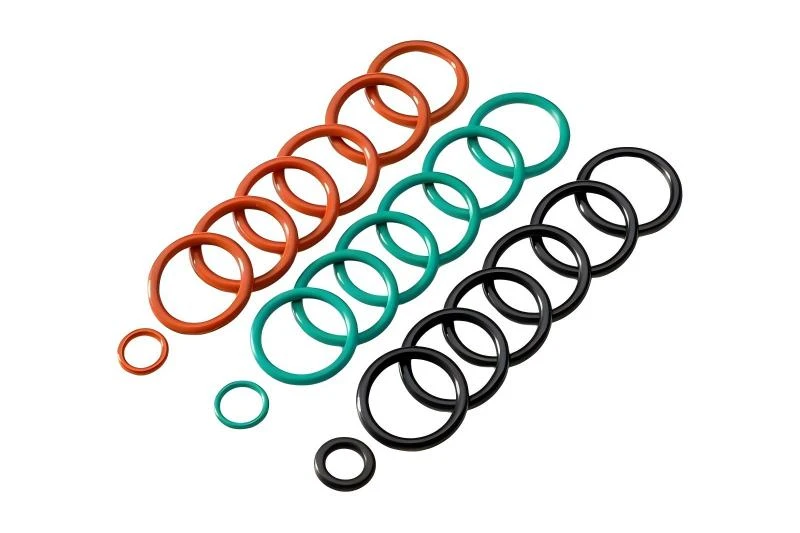
Oil Compatibility of Polyurethane O-Rings
Hydraulic Oil Compatibility
Polyurethane O-Rings can be considered for hydraulic equipment using compatible hydraulic fluids. Material evaluation should account for the fluid formulation, operating pressure, temperature, and continuous contact conditions.
Mineral Oil Compatibility
Selected polyurethane compounds offer compatibility with mineral-based oils used in industrial machinery and hydraulic systems. The specific formulation should be checked against the intended oil grade to evaluate swelling and changes in mechanical properties.
Lubricating Oil Compatibility
In lubrication systems, O-Rings may remain in contact with lubricating oils during equipment operation. Compatibility depends on the base oil, additive package, temperature, and duration of exposure.
Applications of Oil Resistant Polyurethane O-Rings
Oil resistant polyurethane O-Rings are used in mechanical assemblies where sealing components need to withstand oil contact and mechanical wear. Their application depends on the equipment structure, sealing position, pressure conditions, and selected PU formulation.
Hydraulic Cylinders & Systems
Used in selected hydraulic cylinder assemblies and fluid control components. PU O-Rings can provide sealing contact between mating parts while accommodating mechanical loading and repeated movement under suitable operating conditions.
Industrial Machinery
Applied to sealing positions in industrial equipment, transmission assemblies, and mechanical components where lubricating oil exposure and surface friction are present. Material wear resistance is an important consideration in these applications.
Construction Equipment
Used in selected hydraulic and mechanical assemblies of construction machinery, including equipment operating under repetitive movement and mechanical loading. The required hardness and compound should be evaluated according to pressure and environmental conditions.
Pumps & Valve Assemblies
Installed in compatible sealing grooves within pump housings, valve components, and fluid control assemblies. The O-Ring helps prevent fluid leakage between mating components and supports sealing integrity during equipment operation.
Polyurethane O-Ring Manufacturing
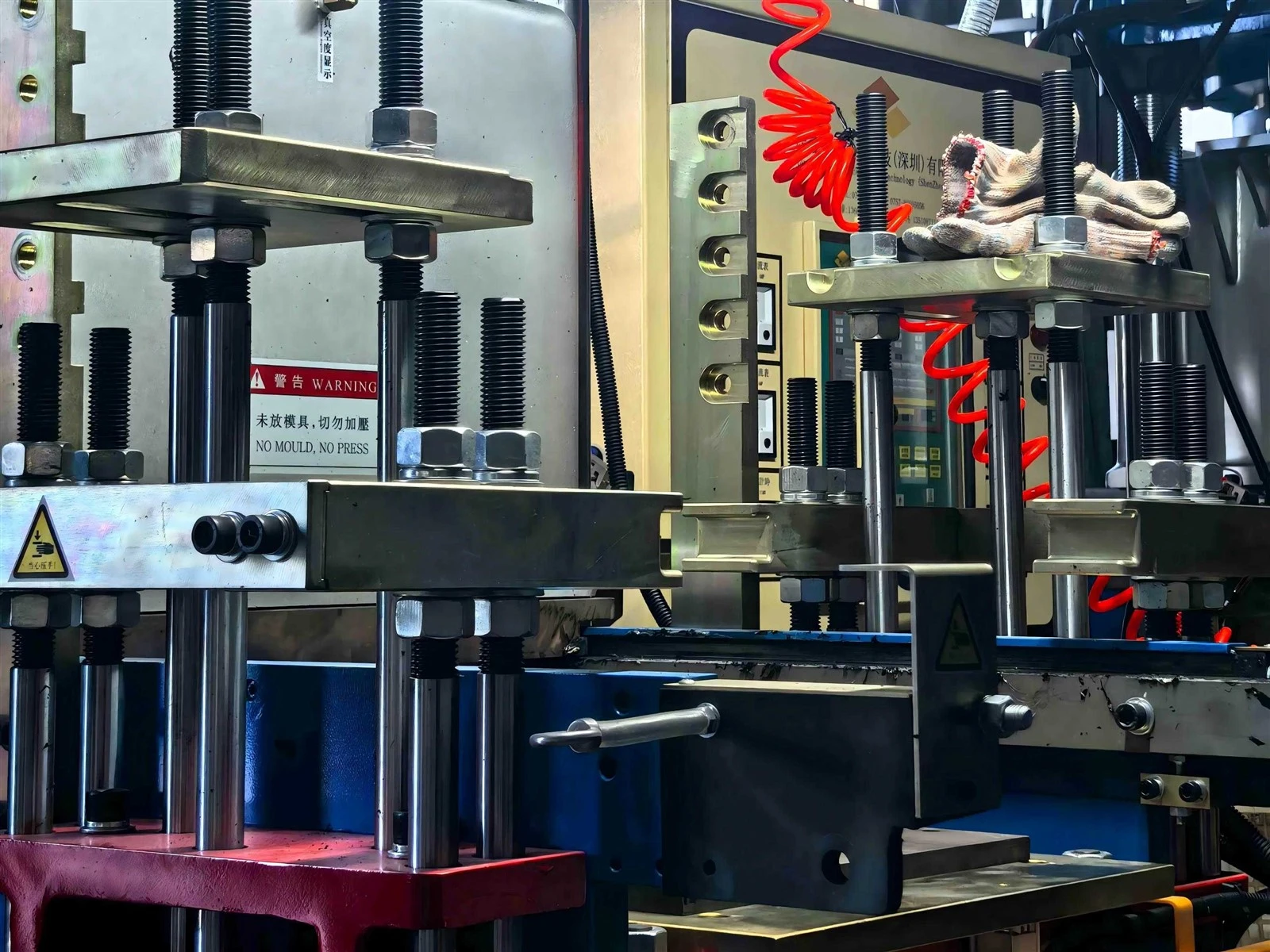
Chaoyue specializes in the production of standard and customized rubber sealing components, including polyurethane O-Rings. Our manufacturing process covers product specification review, material selection, mold preparation, molding, and finished-product inspection.
Material Preparation & Verification
Polyurethane material is selected according to the required hardness, mechanical properties, and application conditions. Material specifications are reviewed before production to ensure alignment with the confirmed product requirements.
Mold Design & Development
Molds are prepared according to the O-Ring's inner diameter, cross-section, and dimensional tolerances. For customized products, mold design is evaluated against customer drawings or approved samples to establish the required geometry.
Precision Molding
Polyurethane compounds are processed using an appropriate molding method based on product dimensions and material characteristics. Molding conditions are controlled to maintain consistent product geometry and reduce surface defects.
Dimensional & Physical Inspection
Finished O-Rings undergo inspection according to the agreed technical specifications. Inspection items can include dimensional measurements, hardness verification, surface appearance, and relevant mechanical properties.
Quality Control Items
Inspection requirements are established according to product drawings, technical agreements, and customer quality standards.
Oil Resistant Polyurethane O-Ring FAQ
Technical information for polyurethane O-Ring material selection, dimensions, oil compatibility, and industrial sealing applications.
What is an oil resistant polyurethane O-Ring?
An oil resistant polyurethane O-Ring is a circular elastomer sealing component manufactured from a suitable PU compound. It is used in sealing assemblies exposed to compatible oils and mechanical stress, where abrasion resistance and tear resistance are important material requirements.
Is a polyurethane O-Ring better than an NBR O-Ring?
The selection depends on the operating conditions. Polyurethane generally offers strong abrasion and tear resistance, making it suitable for applications involving mechanical wear. NBR is commonly selected for general-purpose petroleum oil and fuel sealing. Oil compatibility, temperature, pressure, and movement conditions should be evaluated before choosing either material.
Can polyurethane O-Rings be used in hydraulic systems?
Yes. Polyurethane O-Rings can be used in compatible hydraulic sealing assemblies, including selected cylinders, pumps, and valves. The specific PU formulation, hydraulic fluid, operating pressure, temperature, and sealing groove design should be confirmed before application.
What hardness is available for polyurethane O-Rings?
Polyurethane O-Rings can be manufactured in different Shore A hardness levels according to the product design and application requirements. The appropriate hardness depends on sealing pressure, groove dimensions, installation conditions, and the required resistance to deformation.
Can polyurethane O-Rings be used for dynamic sealing?
Yes. PU O-Rings can be considered for selected reciprocating sealing applications because of their abrasion resistance and mechanical strength. However, dynamic performance depends on movement speed, surface finish, lubrication, pressure, and groove design.
How do I select the correct polyurethane O-Ring size?
The two primary dimensions are the inner diameter (ID) and cross-section diameter (CS). You should also provide the sealing groove dimensions, including groove width and depth, to verify the required compression and installation fit. A technical drawing or existing sample can help confirm the specifications.
Can Chaoyue manufacture polyurethane O-Rings according to customer drawings?
Yes. Chaoyue supports custom polyurethane O-Ring manufacturing based on 2D drawings, 3D CAD files, physical samples, or dimensional specifications. Customization can cover dimensions, hardness, material requirements, and product colors.
What information should I provide when requesting a quotation?
Please provide the required inner diameter, cross-section diameter, hardness, polyurethane material requirements, oil type, operating temperature, pressure conditions, and estimated order quantity. Drawings or physical samples are helpful for confirming product dimensions and evaluating mold requirements.


