

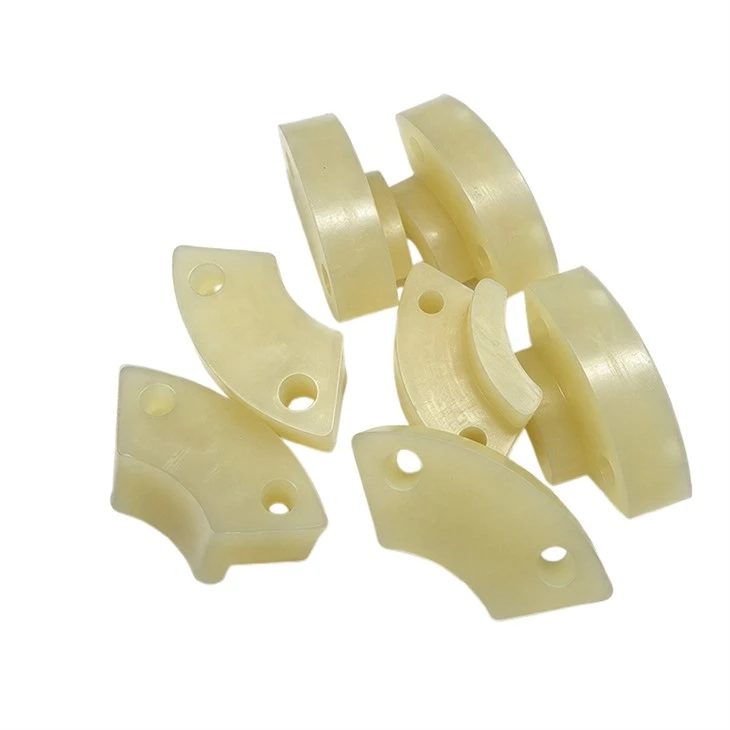
Polyurethane wear pads are made from solid polyurethane elastomer, with material properties suited to components exposed to repeated mechanical contact and friction. The material can be specified according to the required hardness, thickness, and working conditions of the equipment.
- Abrasion Resistance: The polyurethane contact surface resists material loss caused by repeated rubbing against metal or other mating surfaces. This helps maintain the pad's original contact profile during equipment operation.
- Tear Resistance Around Edges: Polyurethane offers good resistance to tearing when the pad is subjected to localized mechanical stress. This is particularly relevant to curved edges, corners, and mounting-hole areas where stress may concentrate.
- Hardness & Structural Stability: Different polyurethane hardness grades can be selected to control the pad's stiffness and deformation under mechanical contact. This allows the wear pad to match different contact loads and installation requirements.
- Elastic Deformation: Unlike rigid metal wear components, polyurethane can undergo a certain degree of elastic deformation under pressure. This helps the pad accommodate minor contact variations between mating components.
- Impact Resistance: The polyurethane elastomer structure provides resistance to repeated mechanical impact and helps reduce direct contact stress between the wear pad and the equipment surface.
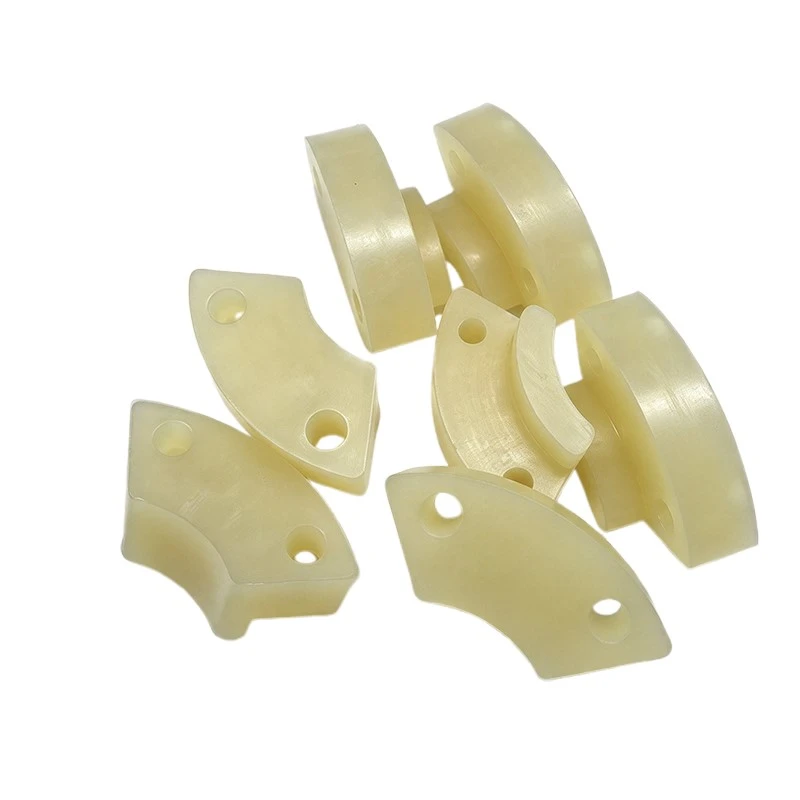
Wear Resistance & Mechanical Performanc
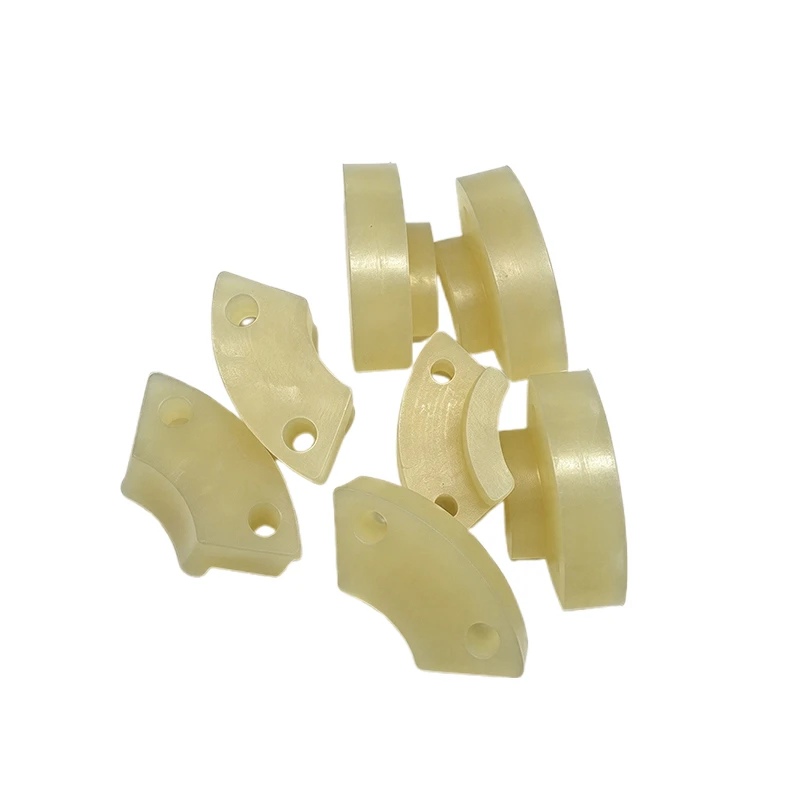
Polyurethane wear pads function as replaceable contact components installed between mechanical parts. Their geometry, thickness, hardness, and mounting arrangement influence how they perform during equipment operation.
- Sliding Surface Protection: When installed between moving or contacting components, the polyurethane pad provides a dedicated wear surface. It helps prevent direct metal-to-metal contact and reduces abrasion on the equipment structure.
- Contact Pressure Distribution: The pad's contact area and thickness influence how mechanical loads are transferred between components. Properly matched dimensions help avoid excessive localized pressure on the contact surface.
- Curved Surface Contact: Arc-shaped PU Wear Blocks can be manufactured to follow curved equipment profiles. Matching the inner and outer contours to the mating structure helps maintain the intended contact position.
- Mounting Stability: Pads with pre-machined mounting holes can be secured using bolts or other specified fasteners. Accurate hole positioning helps maintain the pad's installation alignment during operation.
- Thickness & Wear Allowance: The selected pad thickness determines the available material at the contact surface. It can be specified according to installation clearance and the expected wear allowance of the assembly.
Polyurethane Wear Pad Types & Designs
Polyurethane wear pads can be manufactured with different profiles to match equipment contact surfaces and mounting structures. Based on the product shapes shown, the following configurations are suitable for presenting the product range.
- Curved PU Wear Blocks
Manufactured with an arc-shaped profile to fit curved contact surfaces. Inner radius, outer radius, arc length, and thickness can be specified according to the mating component.
- Sector-Shaped Wear Pads
Designed with fan-shaped or sector-shaped outlines. These pads can accommodate specific mounting positions and contact areas where standard rectangular pads cannot match the equipment geometry.
- Mounting Hole Wear Pads
Supplied with drilled or machined holes for mechanical fastening. Hole diameter, center distance, and edge spacing are determined by the installation drawing.
- Custom Contoured Wear Pads
Produced with non-standard outlines, stepped sections, and varying thicknesses to match specific equipment structures and contact positions.
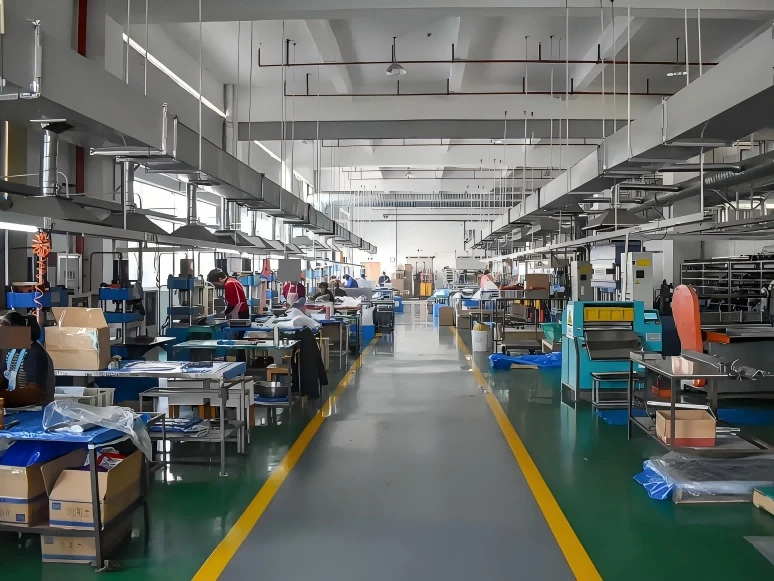
Custom Polyurethane Wear Pads
Chaoyue supports custom polyurethane wear pad development based on technical drawings, physical samples, and equipment assembly requirements. Custom manufacturing focuses on the actual geometry and installation details of each wear component.
- Arc Radius & Profile Customization: Customize the inner radius, outer radius, curved edges, and overall contour to match the equipment's contact surface. This is particularly important for fan-shaped and arc-shaped wear pads.
- Thickness & Overall Dimensions: Specify pad thickness, overall length, width, and section dimensions according to the available installation space and required wear allowance.
- Mounting Hole Machining: Define hole diameter, hole quantity, center-to-center distance, and hole positions according to the fastening arrangement. Countersunk or other special hole designs can be evaluated against the drawings.
- Polyurethane Hardness Selection: Select the appropriate hardness grade according to contact pressure, expected deformation, and the mechanical requirements of the assembly.
- Sample & Drawing-Based Production: Provide an existing wear pad sample or technical drawing for dimensional evaluation and manufacturing development. The confirmed design can then be used as the reference for subsequent production.
FAQ
What factors affect the cost of PU Wear Blocks?
Pricing is influenced by material specifications, product dimensions, structural complexity, machining requirements, mold or tooling costs, and order quantity. Products with special contours or additional machining operations may require a separate cost evaluation.
Can you provide inspection reports with bulk orders?
Inspection documentation can be discussed according to project requirements. Buyers should specify the required inspection items, acceptance criteria, and documentation format before order confirmation.
How are PU Wear Blocks packaged for bulk shipments?
Packaging arrangements depend on product dimensions, weight, quantity, and transportation requirements. Individual separation, protective wrapping, and carton packaging can be considered to reduce surface damage and product mixing during storage and transportation.
What affects the production lead time of polyurethane wear pads?
Production lead time depends on material preparation, tooling availability, manufacturing procedures, machining requirements, order quantity, and inspection arrangements. New product development may require additional time for tooling preparation and sample approval.
Can repeat orders follow the same specifications as previously approved products?
Yes. Previously approved drawings, samples, and product specifications can serve as references for repeat orders. Buyers should confirm whether there have been any changes to the equipment design or purchasing requirements before placing a repeat order.


