

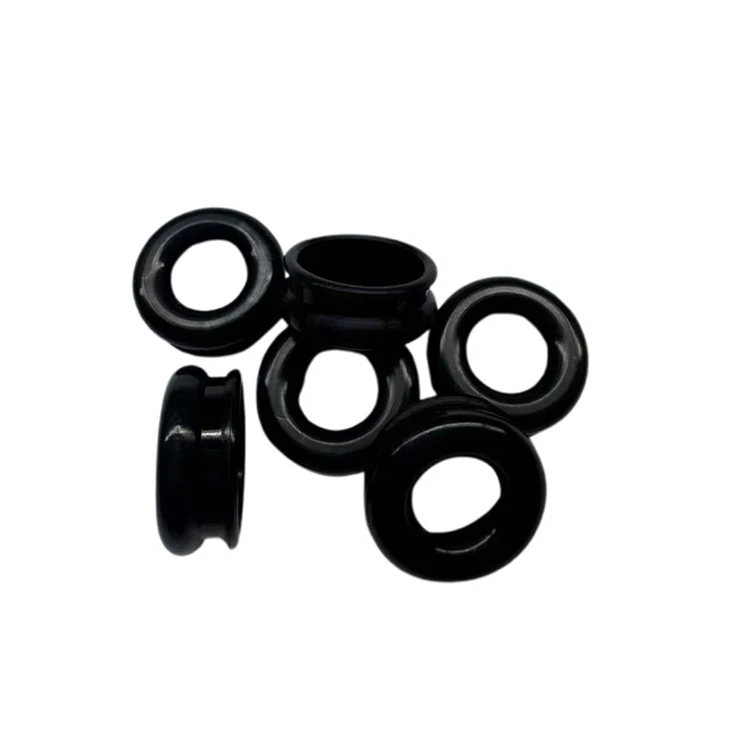
Rubber Bumper Grommets combine a panel-retention structure with a cushioning rubber body. Their geometry is designed to fit specific mounting openings while providing a flexible contact interface between the panel and installed components. Different structural features can be adjusted according to panel dimensions, component clearance, and installation requirements.
- Flanged Outer Profile - The outer flange covers the panel opening edge and provides a contact surface against the mounting panel. Flange diameter and thickness can be specified according to the required coverage.
- Grooved Retention Section - The retaining groove engages with the panel opening to help hold the grommet in position. Groove width and diameter should correspond to the panel thickness and hole dimensions.
- Inner Opening Geometry - The inner diameter and opening profile can be designed to accommodate cables, tubes, shafts, or other components passing through the panel.
- Body Height & Wall Thickness - Overall height and rubber wall thickness influence the available cushioning space, flexibility, and component clearance.
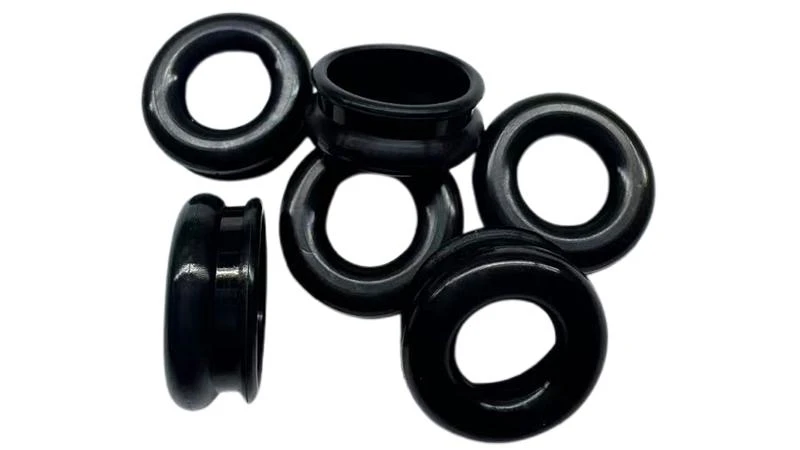
Impact Absorption & Vibration Damping
Impact Energy Cushioning
Rubber deformation absorbs part of the energy generated during contact, helping reduce localized impact on surrounding components.
Vibration Transfer Reduction
The flexible rubber interface helps isolate direct contact between rigid surfaces and can reduce vibration transmission under suitable installation conditions.
Contact Noise Reduction
By limiting direct hard-surface contact, the rubber body can help reduce noise caused by repeated contact, movement, or vibration.
Surface Wear Prevention
The rubber contact layer helps minimize rubbing and abrasion between adjacent metal, plastic, or other rigid components.
Rubber Material & Hardness Selection
Rubber material and hardness influence the flexibility, compression behavior, environmental resistance, and cushioning characteristics of Rubber Bumper Grommets. Chaoyue can evaluate different rubber compounds according to the operating environment, contact conditions, and service requirements.
| Rubber Material | Key Properties | Typical Application Considerations |
|---|---|---|
| NBR | Resistance to mineral oils, lubricating oils, and many petroleum-based fluids | Oil-exposed equipment, machinery, and mechanical assemblies |
| EPDM | Resistance to ozone, weathering, and many water-based media | Outdoor equipment, water-handling systems, and weather-exposed installations |
| CR (Neoprene) | Balanced weathering, ozone, and general environmental resistance | General industrial equipment and outdoor mechanical assemblies |
| Silicone (VMQ) | Flexibility across a broad temperature range and good weathering resistance | Applications requiring temperature flexibility and environmental exposure |
| FKM | Resistance to many oils, fuels, and chemicals, depending on compound formulation | Equipment exposed to demanding chemical or petroleum-based environments |
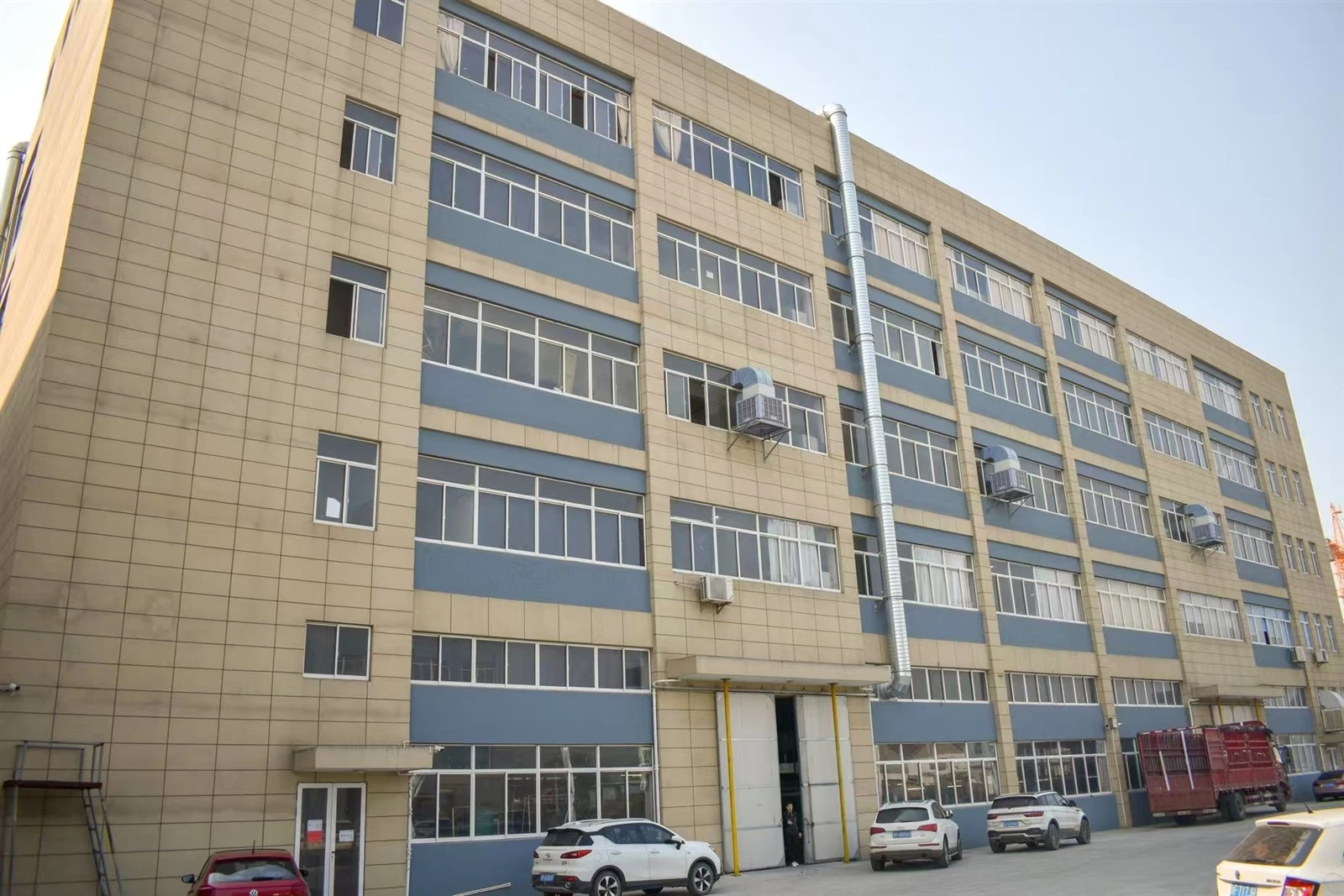
Rubber Bumper Grommet Manufacturer
Chaoyue manufactures custom Rubber Bumper Grommets for industrial equipment, mechanical assemblies, and component manufacturers. From initial drawing review to sample development and repeat production, we coordinate product specifications around mounting dimensions, rubber material requirements, and cushioning functions.
- Custom Mold Development - Mold design is arranged according to product drawings, physical samples, and structural requirements, covering flange profiles, retaining grooves, inner openings, and overall dimensions.
- Rubber Compound Selection - NBR, EPDM, CR, Silicone, FKM, and other suitable compounds can be evaluated according to operating temperature, fluid exposure, environmental conditions, and mechanical requirements.
- Sample Development & Evaluation - Prototype samples can be prepared for dimensional checks, installation fit evaluation, and application assessment before confirming production specifications.
FAQ
Can they be installed on curved or uneven surfaces?
This depends on the flange geometry, rubber flexibility, and mounting surface. Significant curvature or unevenness may prevent full contact and affect seating. A sample fit test is recommended for non-flat installations.
How can I tell when a rubber part needs replacement?
Look for visible cracks, tears, surface deterioration, permanent flattening, or loss of retention. Parts exposed to repeated impact or continuous movement may require more frequent inspection.
Are different colors available for product identification?
Color customization can be discussed according to the selected compound and production requirements. Color coding can help distinguish different component specifications during assembly and maintenance.
Can samples be evaluated before placing a production order?
Yes. Sample evaluation can help verify installation fit, assembly compatibility, and contact behavior under actual working conditions before the final specification is approved.


